-
-
The Advantages of Natural Light in Greenhouses with Glass Windows
Release time:
2026-07-11
The Advantages of Natural Light in Greenhouses with Glass Windows Table of Contents Understanding the Role of Natural Light in Greenhouses The Science Behind Photosynthesis and Natural Light Types of Glass for Greenhouses Benefits of Natural Light in Greenhouses Energy Efficiency and Cost Savings Enhancing Plant Growth and Health with Natural Light Natural Light vs. Artificial L

The Advantages of Natural Light in Greenhouses with Glass Windows
Table of Contents
- Understanding the Role of Natural Light in Greenhouses
- The Science Behind Photosynthesis and Natural Light
- Types of Glass for Greenhouses
- Benefits of Natural Light in Greenhouses
- Energy Efficiency and Cost Savings
- Enhancing Plant Growth and Health with Natural Light
- Natural Light vs. Artificial Light: A Comparative Analysis
- Designing a Greenhouse for Optimal Light Exposure
- FAQs about Natural Light in Greenhouses
- Conclusion
Understanding the Role of Natural Light in Greenhouses
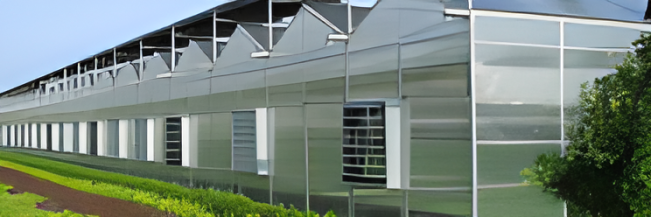
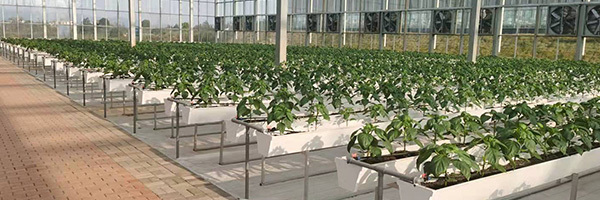
The role of natural light in greenhouses cannot be overstated. Glass windows allow sunlight to penetrate, creating an optimal growing environment for a variety of plants. Unlike traditional structures, glass greenhouses offer superior visibility and light transmission, making them an ideal choice for both amateur and professional gardeners. The increased exposure to sunlight encourages robust photosynthesis, which is crucial for plant development.
The Science Behind Photosynthesis and Natural Light
Photosynthesis is the process by which plants convert light energy into chemical energy, using it to produce glucose and oxygen. Natural light plays a significant role in this process because it encompasses the full spectrum of wavelengths required for photosynthesis. Plants utilize different wavelengths to carry out various functions, including growth, flowering, and fruiting. By allowing a maximum amount of sunlight to enter through glass windows, greenhouses can significantly enhance these processes.
Understanding Light Spectrum
The light spectrum consists of various wavelengths, which can be categorized into different colors. Each color has its significance:
- **Blue Light**: Essential for vegetative growth.
- **Red Light**: Crucial for flowering and fruiting.
- **Green Light**: While less utilized by plants, it helps in penetrating deeper into the canopy.
Glass greenhouses, when designed correctly, can filter and maximize these wavelengths, greatly benefiting plant health.
Types of Glass for Greenhouses
Choosing the right type of glass is critical for maximizing natural light in greenhouses. Here are the most common options:
Single Glass
This is the most basic form of greenhouse glass. It allows good light transmission but lacks insulation, making it less energy-efficient.
Double Glazing
Double-glazed glass offers better insulation while maintaining light transmission. It significantly reduces heat loss, making it ideal for cold climates.
Low-E Glass
Low-emissivity (Low-E) glass has a special coating that helps reflect heat back inside while allowing sunlight to enter. This type of glass is particularly effective for maintaining stable temperatures.
Benefits of Natural Light in Greenhouses
The advantages of natural light in greenhouses extend far beyond mere aesthetics. They encompass improved plant health, reduced operational costs, and better environmental sustainability.
Enhanced Plant Growth
Natural light has been proven to promote faster and healthier plant growth. It encourages strong root systems, lush foliage, and abundant flowering.
Improved Quality of Produce
Plants grown in natural light often yield higher-quality produce. The flavor, color, and nutritional content are typically superior when compared to those grown under artificial lighting.
Pest and Disease Resistance
Plants exposed to adequate natural light develop stronger immune systems, making them more resistant to pests and diseases. This can lead to a reduced reliance on chemical pesticides.
Energy Efficiency and Cost Savings
Implementing natural light in greenhouse designs leads to significant energy savings.
Reduced Heating Costs
Glass greenhouses effectively trap heat during the day, reducing the need for additional heating at night. This is particularly beneficial in colder climates.
Lower Operational Expenses
By minimizing the reliance on artificial lighting, greenhouse owners can see a substantial reduction in their electricity bills. This financial advantage makes natural light a sustainable choice in the long term.
Enhancing Plant Growth and Health with Natural Light
To maximize the advantages of natural light, greenhouse owners must understand how to create an environment conducive to plant health and productivity.
Proper Plant Selection
Choosing the right plants for a glass greenhouse is crucial. Some plants thrive in bright, direct sunlight, while others prefer partial shade. Understanding these preferences will help optimize plant growth.
Monitoring Light Conditions
Investing in light-monitoring technology can help greenhouse managers track how much light plants receive, enabling them to make adjustments as necessary.
Natural Light vs. Artificial Light: A Comparative Analysis
While artificial light has its place in greenhouse operations, it often falls short when compared to natural light.
Cost Comparison
Artificial lighting systems can be expensive to install and operate. When compared to utilizing natural light through glass windows, the costs associated with artificial systems can be overwhelming.
Healthier Plants with Natural Light
Studies have shown that plants grown under natural light exhibit better growth patterns and overall health compared to those grown under artificial lights.
Designing a Greenhouse for Optimal Light Exposure
Designing an effective greenhouse involves careful planning to ensure maximum light exposure.
Orientation
Positioning the greenhouse optimally concerning the sun's path can enhance light exposure. South-facing structures receive the most sunlight throughout the day.
Size and Structure
The size of the greenhouse affects light distribution. Larger greenhouses can accommodate more plants, while smaller designs may limit growth potential. Additionally, the structure should allow for ample ventilation to prevent overheating.
FAQs about Natural Light in Greenhouses
1. How much natural light do plants need in a greenhouse?
Most plants thrive with 6 to 8 hours of natural light daily. However, specific light requirements can vary by species.
2. Can all plants grow well in glass greenhouses?
Not all plants are suited for glass greenhouses. Some plants prefer shaded conditions and may not thrive in direct sunlight.
3. What are the best practices for maintaining glass greenhouses?
Regular cleaning and monitoring of humidity and temperature levels are essential for maintaining optimal conditions in glass greenhouses.
4. Are there any drawbacks to using glass in greenhouses?
While glass provides excellent light transmission, it can be more fragile than other materials and may require more maintenance.
5. How can I improve the energy efficiency of my greenhouse?
Investing in double or Low-E glass, proper insulation, and maximizing the use of natural light can significantly enhance energy efficiency.
Conclusion
Harnessing the **advantages of natural light in greenhouses with glass windows** offers numerous benefits that extend beyond aesthetics. Not only do these structures promote enhanced plant growth and health, but they also contribute to energy efficiency and cost savings. By understanding the importance of natural light and selecting appropriate materials and designs, greenhouse owners can create an optimal environment for their plants. Whether you are a hobbyist gardener or a commercial grower, utilizing natural light effectively will undoubtedly lead to a more sustainable and productive greenhouse operation.Keyword:
Related News
The Advantages of Natural Light in Greenhouses with Glass Windows
The Advantages of Natural Light in Greenhouses with Glass Windows Table of Contents Understanding the Role of Natural Light in Greenhouses The Science Behind Photosynthesis and Natural Light Types of Glass for Greenhouses Benefits of Natural Light in Greenhouses Energy Efficiency and Cost Savings Enhancing Plant Growth and Health with Natural Light Natural Light vs. Artificial L
2026-07-11
Exploring the Advantages and Features of Traditional Glass Greenhouses
Traditional glass greenhouses have long been a staple in the field of agriculture. Their transparent structures allow for optimal sunlight penetration, which is crucial for photosynthesis and overall plant growth. Unlike plastic alternatives, glass offers superior durability and longevity, making it a reliable choice for sustainable agricultural practices. The clarity of glass not only enhances li
2026-07-04
How Polycarbonate Glazing Revolutionizes Greenhouse Design
How Polycarbonate Glazing Revolutionizes Greenhouse Design Table of Contents 1. Introduction to Polycarbonate Glazing 2. Advantages of Polycarbonate Glazing in Greenhouses 3. Energy Efficiency and Thermal Regulation 4. Enhanced Light Diffusion and Plant Growth 5. Durability and Longevity of Polycarbonate Materials 6. Sustainability and Environmental Impact 7. Innovativ
2026-06-27
Optimal Glass Greenhouse Structures for Efficient Plant Cultivation
Glass greenhouses are increasingly recognized as ideal structures for plant cultivation, providing an environment that maximizes sunlight exposure while maintaining optimal temperature and humidity levels. The use of glass in greenhouse construction offers several advantages that contribute to the health and productivity of various plants. One of the primary benefits of glass greenhouses is their
2026-06-20
Integrating Technology: Smart Glass Greenhouses for Enhanced Scientific Research
Integrating Technology: Smart Glass Greenhouses for Enhanced Scientific Research Table of Contents 1. Introduction to Smart Glass Greenhouses 2. The Technology Behind Smart Glass 3. Benefits of Smart Glass in Scientific Research 4. Applications of Smart Glass Greenhouses 5. Sustainability and Efficiency of Smart Glass Greenhouses 6. Future Trends in Smart Glass Technolog
2026-06-13
Contact
Address: No. 58, Bohai Road, Cangzhou Canal Industrial Science and Technology Park
International Trade Office: No. 58, Bohai Road, Cangzhou Canal Industrial Science and Technology Park
Tel:+86 15301369860
Online message
-