-
-
Integrating Technology: Smart Glass Greenhouses for Enhanced Scientific Research
Release time:
2026-06-13
Integrating Technology: Smart Glass Greenhouses for Enhanced Scientific Research Table of Contents 1. Introduction to Smart Glass Greenhouses 2. The Technology Behind Smart Glass 3. Benefits of Smart Glass in Scientific Research 4. Applications of Smart Glass Greenhouses 5. Sustainability and Efficiency of Smart Glass Greenhouses 6. Future Trends in Smart Glass Technolog

Integrating Technology: Smart Glass Greenhouses for Enhanced Scientific Research
Table of Contents
- 1. Introduction to Smart Glass Greenhouses
- 2. The Technology Behind Smart Glass
- 3. Benefits of Smart Glass in Scientific Research
- 4. Applications of Smart Glass Greenhouses
- 5. Sustainability and Efficiency of Smart Glass Greenhouses
- 6. Future Trends in Smart Glass Technology
- 7. Challenges and Considerations
- 8. Conclusion
- 9. FAQs about Smart Glass Greenhouses
1. Introduction to Smart Glass Greenhouses
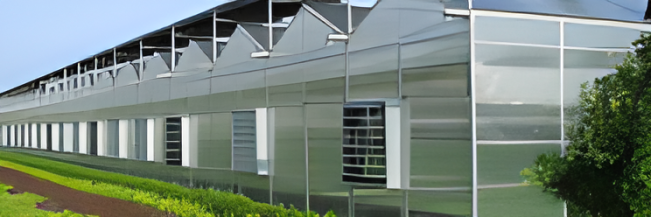
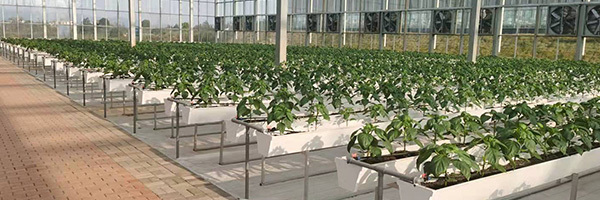
Smart glass greenhouses are revolutionizing the way scientific research is conducted in the field of agriculture and horticulture. By leveraging advanced technologies, these structures provide a controlled environment that maximizes plant growth potential while minimizing resource consumption. The integration of smart glass technology into greenhouses offers researchers unprecedented opportunities to explore plant biology, conduct experiments, and develop sustainable agricultural practices.
2. The Technology Behind Smart Glass
Smart glass, also known as switchable glass or electrochromic glass, is designed to change its properties in response to external stimuli. This technology can adjust transparency, shading, and insulation. Key components include:
2.1 Electrochromic Technology
Electrochromic smart glass utilizes a thin layer of metallic oxide that can change color when an electric current is applied. This feature allows researchers to control light levels and temperatures within the greenhouse, ensuring optimal growing conditions for various plant species.
2.2 Photovoltaic Panels
Many smart glass greenhouses incorporate photovoltaic panels, which convert sunlight into electricity. This renewable energy source can power the greenhouse's systems, including ventilation, heating, and lighting, fostering energy efficiency and sustainability.
2.3 Automated Climate Control
Smart glass greenhouses are equipped with advanced sensors and automated climate control systems that can monitor environmental conditions. This technology allows real-time adjustments to temperature, humidity, and light intensity, creating an ideal environment for plant growth and scientific inquiry.
3. Benefits of Smart Glass in Scientific Research
The integration of smart glass technology into greenhouses provides numerous advantages for scientific research:
3.1 Enhanced Light Management
Smart glass optimizes light transmission while reflecting excess sunlight. This feature is particularly beneficial for researchers studying photoperiod-sensitive plants, as they can create customized light conditions to analyze growth responses effectively.
3.2 Energy Efficiency
By reducing the need for artificial lighting and climate control, smart glass greenhouses lower energy consumption, significantly cutting operational costs. Researchers can allocate more funds toward innovative projects rather than utility bills.
3.3 Increased Crop Yield
The ability to maintain optimal growing conditions leads to healthier plants and increased crop yields. This improvement is crucial for research aimed at enhancing food production and sustainability.
3.4 Versatile Research Environment
Smart glass greenhouses can support diverse research activities, from genetic studies to ecological assessments. The controlled environment allows scientists to replicate specific conditions, making experiments more reliable and reproducible.
4. Applications of Smart Glass Greenhouses
Smart glass greenhouses are being utilized across various fields of scientific research:
4.1 Agricultural Research
Researchers utilize smart glass greenhouses to study plant genetics, pest resistance, and crop management strategies. These controlled settings enable precise experimentation that can lead to breakthroughs in agricultural practices.
4.2 Climate Change Studies
Scientists are using smart glass greenhouses to simulate future climate conditions. By manipulating variables such as temperature and CO2 levels, researchers can study plant responses to climate change, contributing valuable data to global environmental efforts.
4.4 Urban Agriculture Initiatives
In urban settings, smart glass greenhouses enable the development of vertical farms that integrate seamlessly into city landscapes. This innovative approach addresses food security issues and promotes local food production.
5. Sustainability and Efficiency of Smart Glass Greenhouses
The sustainability of smart glass greenhouses is a significant advantage that resonates with today's ecological concerns:
5.1 Reduced Water Usage
Smart glass technology often incorporates water-efficient irrigation systems, minimizing water usage while maximizing plant health. These systems can monitor soil moisture levels and adjust watering schedules accordingly.
5.2 Waste Reduction
By optimizing resource use, smart glass greenhouses contribute to waste reduction in agriculture. Researchers can implement practices that enhance plant health while minimizing pesticide and fertilizer applications.
5.3 Carbon Footprint Mitigation
The energy efficiency of smart glass greenhouses significantly lowers their carbon footprint. By utilizing renewable energy sources, these structures promote a more sustainable approach to scientific research and agriculture.
6. Future Trends in Smart Glass Technology
As technology continues to evolve, the future of smart glass greenhouses looks promising:
6.1 Integration with AI and Big Data
The incorporation of artificial intelligence and big data analytics into smart glass greenhouses may revolutionize agricultural research. By analyzing vast amounts of data, researchers can make informed decisions that lead to more effective cultivation strategies.
6.2 Advancements in Material Science
Ongoing research in material science may yield even more efficient smart glass options. Future innovations may include self-cleaning surfaces and advanced energy-storing capabilities.
6.3 Global Adoption and Research Collaboration
As awareness of the benefits of smart glass greenhouses spreads, global collaboration among research institutions and agricultural organizations is likely to increase. This collaboration can lead to shared knowledge and resources, accelerating advancements in sustainable agriculture.
7. Challenges and Considerations
Despite the advantages, there are challenges associated with the implementation of smart glass technology in greenhouses:
7.1 Initial Costs
The initial investment for smart glass greenhouses can be substantial. Research institutions must weigh the long-term benefits against upfront costs when considering this technology.
7.2 Technological Complexity
Operating and maintaining smart glass systems may require specialized knowledge. Training staff to effectively utilize the technology is essential to maximize its potential.
7.3 Regulatory Hurdles
In some regions, regulatory barriers may impede the adoption of new technologies in agricultural practices. Researchers must navigate these challenges to implement smart glass solutions effectively.
8. Conclusion
Smart glass greenhouses represent a significant advancement in the field of scientific research within agriculture. By integrating innovative technologies, these structures enhance our ability to study plant biology, improve crop yields, and promote sustainability. As researchers continue to explore the potential of smart glass in various applications, the future of agricultural science looks brighter than ever. The benefits of smart glass greenhouses extend beyond individual research projects, contributing to a more sustainable and efficient agricultural system globally.
9. FAQs about Smart Glass Greenhouses
1. What is a smart glass greenhouse?
A smart glass greenhouse utilizes advanced glass technology that can change its properties to optimize light, temperature, and humidity for plant growth.
2. How does smart glass improve energy efficiency?
Smart glass reduces the need for artificial lighting and climate control by optimizing natural light transmission, thereby lowering energy consumption.
3. Can smart glass greenhouses be used for all types of plants?
Yes, smart glass greenhouses can be customized to create optimal growing conditions for a wide variety of plant species, making them versatile for research.
4. What are the main challenges of implementing smart glass technology?
Challenges include high initial costs, technological complexity, and navigating regulatory hurdles related to agricultural practices.
5. How does smart glass contribute to sustainability in agriculture?
Smart glass enhances sustainability by reducing energy consumption, water usage, and waste in agricultural research and practices.Keyword:
Previous
Related News
Integrating Technology: Smart Glass Greenhouses for Enhanced Scientific Research
Integrating Technology: Smart Glass Greenhouses for Enhanced Scientific Research Table of Contents 1. Introduction to Smart Glass Greenhouses 2. The Technology Behind Smart Glass 3. Benefits of Smart Glass in Scientific Research 4. Applications of Smart Glass Greenhouses 5. Sustainability and Efficiency of Smart Glass Greenhouses 6. Future Trends in Smart Glass Technolog
2026-06-13
High-quality single-row strawberry trough factories are upgrading production, boosting smart farming efficiency worldwide
2026-06-12
Maximizing the Benefits of Glass Greenhouses in Modern Architecture
In recent years, glass greenhouses have emerged as a significant trend in modern architecture, particularly within the building and decoration materials sector. These structures not only provide an ideal environment for plant growth but also serve as a versatile architectural element that can elevate the aesthetic and functional aspects of any space. The use of specialized building glass in constr
2026-06-06
Glass and Polycarbonate Greenhouses: A Comprehensive Comparison for Modern Agriculture
Glass and Polycarbonate Greenhouses: A Comprehensive Comparison Introduction to Greenhouse Materials In the realm of agriculture, choosing the right greenhouse material is paramount for optimizing plant growth and productivity. Two popular options are glass and polycarbonate. Both materials offer distinct advantages and disadvantages, making them suitable for different gardening needs and environm
2026-05-30
Contact
Address: No. 58, Bohai Road, Cangzhou Canal Industrial Science and Technology Park
International Trade Office: No. 58, Bohai Road, Cangzhou Canal Industrial Science and Technology Park
Tel:+86 15301369860
Online message
-