-
-
Maximizing the Benefits of Glass Greenhouses in Modern Architecture
Release time:
2026-06-06
In recent years, glass greenhouses have emerged as a significant trend in modern architecture, particularly within the building and decoration materials sector. These structures not only provide an ideal environment for plant growth but also serve as a versatile architectural element that can elevate the aesthetic and functional aspects of any space. The use of specialized building glass in constr
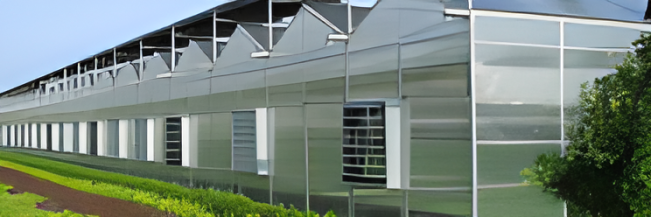
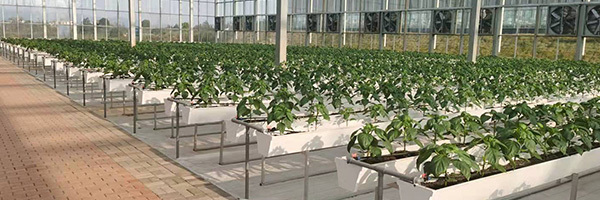
 In recent years, glass greenhouses have emerged as a significant trend in modern architecture, particularly within the building and decoration materials sector. These structures not only provide an ideal environment for plant growth but also serve as a versatile architectural element that can elevate the aesthetic and functional aspects of any space. The use of specialized building glass in constructing greenhouses offers numerous advantages that align with contemporary sustainability goals and energy-efficient practices.
One of the primary benefits of glass greenhouses is their ability to maximize natural light. The transparency of glass allows sunlight to penetrate deep within the structure, creating an optimal growth environment for a variety of plants. This not only reduces the need for artificial lighting but also contributes to lower energy consumption. Utilizing double or triple-glazed glass can further enhance thermal insulation, maintaining stable temperatures inside the greenhouse regardless of external weather conditions.
Another significant consideration is the choice of glass type. Different types of architectural glass are available, each with unique properties such as UV resistance, thermal performance, and durability. Low-emissivity (Low-E) glass, for example, can reflect heat while allowing sunlight to enter, thus minimizing energy loss. Furthermore, advancements in technology have led to the development of self-cleaning and anti-reflective glass, which reduces maintenance requirements and enhances the greenhouse's overall performance.
In addition to energy efficiency, glass greenhouses contribute to sustainable building practices. By integrating these structures into architectural designs, builders can create spaces that promote biodiversity and a connection to nature. This is particularly relevant in urban environments, where green spaces are often limited. Incorporating a glass greenhouse into a building design not only offers environmental benefits but also enhances the well-being of its occupants. Studies have shown that access to natural light and greenery can improve mental health and productivity.
Moreover, from a design perspective, glass greenhouses can be tailored to suit various architectural styles, ranging from modern to traditional. Their versatility allows architects to create stunning focal points within a landscape, blurring the lines between indoor and outdoor spaces. This seamless integration fosters a harmonious relationship between architecture and nature, a principle that is gaining traction in contemporary design philosophy.
In conclusion, glass greenhouses represent a remarkable fusion of functionality and aesthetic appeal in the field of architecture. By leveraging advanced glass technologies, architects and builders can create sustainable, energy-efficient structures that enrich both the environment and human experience. As the trend continues to evolve, the potential applications of glass greenhouses in urban settings and beyond are vast, promising an exciting future for the architecture and decoration materials industry.Keyword:
Previous
Related News
Maximizing the Benefits of Glass Greenhouses in Modern Architecture
In recent years, glass greenhouses have emerged as a significant trend in modern architecture, particularly within the building and decoration materials sector. These structures not only provide an ideal environment for plant growth but also serve as a versatile architectural element that can elevate the aesthetic and functional aspects of any space. The use of specialized building glass in constr
2026-06-06
Glass and Polycarbonate Greenhouses: A Comprehensive Comparison for Modern Agriculture
Glass and Polycarbonate Greenhouses: A Comprehensive Comparison Introduction to Greenhouse Materials In the realm of agriculture, choosing the right greenhouse material is paramount for optimizing plant growth and productivity. Two popular options are glass and polycarbonate. Both materials offer distinct advantages and disadvantages, making them suitable for different gardening needs and environm
2026-05-30
The Benefits and Advantages of Photovoltaic Greenhouses in Sustainable Agriculture
In recent years, the concept of photovoltaic greenhouses has gained considerable attention in the agricultural sector. Photovoltaic greenhouses are a revolutionary combination of traditional greenhouse structures and solar energy technology, enabling farmers to grow crops while simultaneously harnessing the sun's power. This innovative approach offers a multitude of benefits that make it an attrac
2026-05-23
As global energy prices remain volatile, reducing greenhouse heating costs while maintaining crop quality is no longer a luxury—it's a survival strategy.The global greenhouse film market is projected to surge at a 10.37% CAGR, reaching $17.96 billion by 2032. Behind this growth lies a single, urgent demand from growers: high-performance insulation at a sustainable cost.
2026-05-20
Tunnel greenhouses (also known as polytunnels or hoop houses) have become the preferred facility for small and medium-sized farms and home gardeners worldwide due to their low construction cost, flexible installation, and high space utilization. However, during actual use, many growers encounter a series of typical problems — from poor ventilation leading to frequent disease outbreaks, to snow accumulation collapsing the structure in winter, to aging cover materials causing a sharp drop in light transmittance.
2026-05-19
Contact
Address: No. 58, Bohai Road, Cangzhou Canal Industrial Science and Technology Park
International Trade Office: No. 58, Bohai Road, Cangzhou Canal Industrial Science and Technology Park
Tel:+86 15301369860
Online message
-