-
-
Exploring the Advantages and Features of Traditional Glass Greenhouses
Release time:
2026-07-04
Traditional glass greenhouses have long been a staple in the field of agriculture. Their transparent structures allow for optimal sunlight penetration, which is crucial for photosynthesis and overall plant growth. Unlike plastic alternatives, glass offers superior durability and longevity, making it a reliable choice for sustainable agricultural practices. The clarity of glass not only enhances li
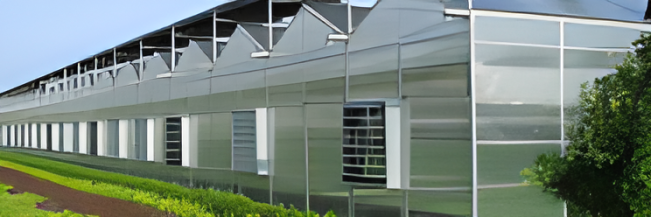
 Traditional glass greenhouses have long been a staple in the field of agriculture. Their transparent structures allow for optimal sunlight penetration, which is crucial for photosynthesis and overall plant growth. Unlike plastic alternatives, glass offers superior durability and longevity, making it a reliable choice for sustainable agricultural practices. The clarity of glass not only enhances light transmission but also provides a temperature-regulating mechanism, helping to maintain a stable environment for crops.
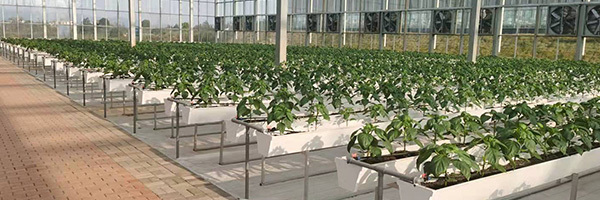
One of the primary benefits of traditional glass greenhouses is their ability to create a controlled microclimate. This is vital for extending the growing season and enabling the cultivation of crops that may not thrive in the local climate. By regulating humidity, temperature, and air circulation, glass greenhouses significantly improve the efficiency of water and nutrient usage. This precision in environmental control can lead to higher yields and superior-quality produce.
The construction of traditional glass greenhouses typically involves a robust frame, often made from aluminum or galvanized steel, providing stability and resistance to environmental stresses. The glass panels, usually double- or triple-glazed, enhance insulation, reducing heat loss during colder months. This insulation is critical for maintaining optimal temperatures, particularly in regions with harsh winters.
Additionally, traditional glass greenhouses offer versatility in design, allowing for various configurations depending on the specific needs of the crops being grown. Whether for commercial production or personal gardening, growers can customize their greenhouses with features such as automated ventilation systems, shading devices, and heating systems to optimize growing conditions. These enhancements further ensure that plants receive the necessary care and conditions for healthy growth.
Moreover, traditional glass greenhouses not only serve practical purposes but also contribute to the aesthetics of agricultural landscapes. Their elegant appearance can enhance property value and attract visitors, making them suitable for educational purposes or agritourism ventures.
In summary, traditional glass greenhouses represent a critical advancement in agricultural technology, combining functionality with durability to support efficient food production. Their ability to create an optimal growing environment while being aesthetically pleasing makes them an invaluable resource for any agricultural professional looking to maximize their crop yield and quality. By investing in a traditional glass greenhouse, growers can ensure they are well-equipped to meet the challenges of modern agricultural demands.Keyword:
Related News
Exploring the Advantages and Features of Traditional Glass Greenhouses
Traditional glass greenhouses have long been a staple in the field of agriculture. Their transparent structures allow for optimal sunlight penetration, which is crucial for photosynthesis and overall plant growth. Unlike plastic alternatives, glass offers superior durability and longevity, making it a reliable choice for sustainable agricultural practices. The clarity of glass not only enhances li
2026-07-04
How Polycarbonate Glazing Revolutionizes Greenhouse Design
How Polycarbonate Glazing Revolutionizes Greenhouse Design Table of Contents 1. Introduction to Polycarbonate Glazing 2. Advantages of Polycarbonate Glazing in Greenhouses 3. Energy Efficiency and Thermal Regulation 4. Enhanced Light Diffusion and Plant Growth 5. Durability and Longevity of Polycarbonate Materials 6. Sustainability and Environmental Impact 7. Innovativ
2026-06-27
Optimal Glass Greenhouse Structures for Efficient Plant Cultivation
Glass greenhouses are increasingly recognized as ideal structures for plant cultivation, providing an environment that maximizes sunlight exposure while maintaining optimal temperature and humidity levels. The use of glass in greenhouse construction offers several advantages that contribute to the health and productivity of various plants. One of the primary benefits of glass greenhouses is their
2026-06-20
Integrating Technology: Smart Glass Greenhouses for Enhanced Scientific Research
Integrating Technology: Smart Glass Greenhouses for Enhanced Scientific Research Table of Contents 1. Introduction to Smart Glass Greenhouses 2. The Technology Behind Smart Glass 3. Benefits of Smart Glass in Scientific Research 4. Applications of Smart Glass Greenhouses 5. Sustainability and Efficiency of Smart Glass Greenhouses 6. Future Trends in Smart Glass Technolog
2026-06-13
High-quality single-row strawberry trough factories are upgrading production, boosting smart farming efficiency worldwide
2026-06-12
Contact
Address: No. 58, Bohai Road, Cangzhou Canal Industrial Science and Technology Park
International Trade Office: No. 58, Bohai Road, Cangzhou Canal Industrial Science and Technology Park
Tel:+86 15301369860
Online message
-