-
-
Optimal Glass Greenhouse Structures for Efficient Plant Cultivation
Release time:
2026-06-20
Glass greenhouses are increasingly recognized as ideal structures for plant cultivation, providing an environment that maximizes sunlight exposure while maintaining optimal temperature and humidity levels. The use of glass in greenhouse construction offers several advantages that contribute to the health and productivity of various plants. One of the primary benefits of glass greenhouses is their
 Glass greenhouses are increasingly recognized as ideal structures for plant cultivation, providing an environment that maximizes sunlight exposure while maintaining optimal temperature and humidity levels. The use of glass in greenhouse construction offers several advantages that contribute to the health and productivity of various plants.
One of the primary benefits of glass greenhouses is their superior light transmission capabilities. Unlike polycarbonate or plastic alternatives, glass allows a higher percentage of sunlight to penetrate, which is critical for photosynthesis. This characteristic is essential for both flowering and fruit-bearing plants, ensuring robust growth and yield.
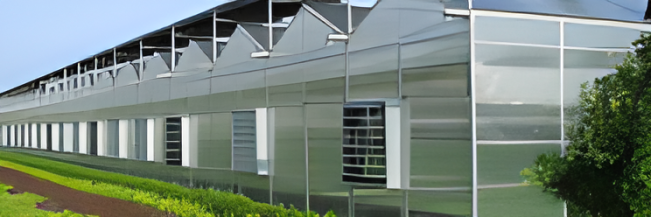
When considering glass greenhouse structures suitable for planting, it is crucial to focus on the design. A well-designed greenhouse should incorporate features such as thermal mass, ventilation systems, and shading options. Thermal mass, often achieved through stone or water features integrated into the design, helps stabilize temperature fluctuations. This stability is vital for maintaining a consistent growing environment, especially in regions with extreme temperature variations.
Ventilation is another critical aspect. Proper airflow is necessary to prevent overheating and humidity-related diseases. Structures designed with adjustable roof vents and side openings can facilitate natural ventilation, ensuring a healthy microclimate within the greenhouse. Automated systems can further enhance this process, allowing for energy-efficient operation.
Shading is also an important consideration. Excessive sunlight can lead to overheating and damage to sensitive plants. Incorporating shading options, such as retractable shading screens or strategically placed awnings, can help maintain optimal light levels while protecting plants from the harsh midday sun.
Moreover, the choice of construction materials plays a significant role in the overall efficiency of glass greenhouses. High-performance glazing options, such as low-emissivity (Low-E) glass, provide insulation and reduce energy loss. This is particularly beneficial for maintaining a consistent temperature during colder months, thereby extending the growing season.
Sustainability is a growing concern within the agricultural sector. Glass greenhouses can contribute to sustainable practices by using renewable energy sources, like solar panels, and incorporating rainwater harvesting systems. This approach not only reduces the environmental impact but also enhances the efficiency of water usage, an essential factor in modern plant cultivation.
In conclusion, glass greenhouse structures suitable for planting offer a myriad of advantages that enhance plant growth and sustainability. By focusing on design elements such as thermal mass, ventilation, and shading, along with selecting high-performance materials, growers can create an optimal environment for their plants. This not only leads to improved yields but also supports sustainable agricultural practices in today's increasingly eco-conscious world.Keyword:
Related News
Optimal Glass Greenhouse Structures for Efficient Plant Cultivation
Glass greenhouses are increasingly recognized as ideal structures for plant cultivation, providing an environment that maximizes sunlight exposure while maintaining optimal temperature and humidity levels. The use of glass in greenhouse construction offers several advantages that contribute to the health and productivity of various plants. One of the primary benefits of glass greenhouses is their
2026-06-20
Integrating Technology: Smart Glass Greenhouses for Enhanced Scientific Research
Integrating Technology: Smart Glass Greenhouses for Enhanced Scientific Research Table of Contents 1. Introduction to Smart Glass Greenhouses 2. The Technology Behind Smart Glass 3. Benefits of Smart Glass in Scientific Research 4. Applications of Smart Glass Greenhouses 5. Sustainability and Efficiency of Smart Glass Greenhouses 6. Future Trends in Smart Glass Technolog
2026-06-13
High-quality single-row strawberry trough factories are upgrading production, boosting smart farming efficiency worldwide
2026-06-12
Maximizing the Benefits of Glass Greenhouses in Modern Architecture
In recent years, glass greenhouses have emerged as a significant trend in modern architecture, particularly within the building and decoration materials sector. These structures not only provide an ideal environment for plant growth but also serve as a versatile architectural element that can elevate the aesthetic and functional aspects of any space. The use of specialized building glass in constr
2026-06-06
Contact
Address: No. 58, Bohai Road, Cangzhou Canal Industrial Science and Technology Park
International Trade Office: No. 58, Bohai Road, Cangzhou Canal Industrial Science and Technology Park
Tel:+86 15301369860
Online message
-