-
-
The Benefits of Using Glass in Planting and Gardening: A Comprehensive Guide
Release time:
2026-04-18
The Benefits of Using Glass in Planting and Gardening In recent years, the use of glass in planting and gardening has gained popularity among horticulturists and home gardeners alike. This versatile material offers a myriad of advantages that can enhance plant growth, aesthetic appeal, and overall gardening experience. In this comprehensive guide, we will delve into the numerous benefits of using

The Benefits of Using Glass in Planting and Gardening
In recent years, the use of glass in planting and gardening has gained popularity among horticulturists and home gardeners alike. This versatile material offers a myriad of advantages that can enhance plant growth, aesthetic appeal, and overall gardening experience. In this comprehensive guide, we will delve into the numerous benefits of using glass in gardening, explore innovative applications, and provide practical tips for incorporating glass into your gardening practices.
Table of Contents
- Benefits of Glass in Gardening
- Different Types of Glass Structures for Gardening
- Using Glass in Greenhouses and Planting Beds
- Aesthetic Appeal of Glass in Gardens
- Glass and Light Management in Plant Growth
- Sustainability and Recycling of Glass in Gardening
- Tips for Incorporating Glass in Your Garden
- FAQs about Glass in Gardening
Benefits of Glass in Gardening
The integration of glass into gardening practices offers a multitude of benefits that can significantly improve the growth and health of plants. Here are some key advantages:
1. Enhanced Light Transmission
One of the most significant benefits of using glass in gardening is its ability to transmit light. Unlike other materials, glass allows a higher percentage of sunlight to penetrate, promoting optimal photosynthesis. This is particularly beneficial in greenhouses, where maximizing sunlight is crucial for plant growth.
2. Climate Control
Glass structures can help regulate temperature and humidity levels, creating a controlled environment for plants. This is especially advantageous for growing plants that require specific climatic conditions. With glass greenhouses, gardeners can extend the growing season and protect plants from harsh weather conditions.
3. Protection from Pests and Diseases
Glass provides a physical barrier against pests and diseases that often threaten plant health. By enclosing plants within glass structures, gardeners can minimize the risk of infestations and diseases, leading to healthier and more productive plants.
4. Versatility in Design
Glass is an aesthetically pleasing material that can be used in various forms, from windows in greenhouses to decorative glass features in gardens. This versatility allows gardeners to create unique and visually striking garden spaces that reflect their personal style.
Different Types of Glass Structures for Gardening
There are several types of glass structures that can be utilized in gardening. Each offers unique benefits and can be tailored to suit different gardening needs.
1. Greenhouses
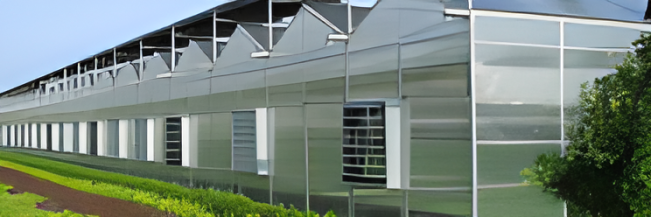
Greenhouses are perhaps the most common application of glass in gardening. They come in various sizes and shapes, allowing gardeners to cultivate plants year-round regardless of outdoor conditions. The glass panels facilitate maximum sunlight entry while providing protection from environmental stressors.
2. Cold Frames
Cold frames are smaller glass structures that can be placed on outdoor planting beds. They act as mini-greenhouses, providing warmth and shelter for plants during cooler seasons. Cold frames are an excellent choice for early planting and for protecting young seedlings.
3. Glass Terrariums
Glass terrariums are decorative containers that allow for the cultivation of small plants in a controlled environment. They not only serve as a beautiful home décor piece but also create a self-sustaining ecosystem, making them perfect for indoor gardening.
Using Glass in Greenhouses and Planting Beds
When it comes to optimizing plant growth, the strategic use of glass in greenhouses and planting beds can yield impressive results. Here are some key considerations:
1. Choosing the Right Type of Glass
Not all glass is created equal. When selecting glass for your greenhouse or planting beds, consider options like tempered glass or polycarbonate panels. These materials provide added durability and insulation, ensuring that your plants are well protected.
2. Maximizing Space
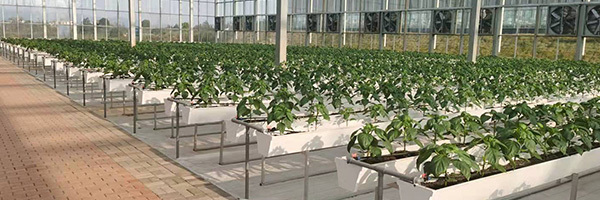
Utilizing glass structures can help maximize limited gardening space. Vertical gardens with glass panels or stacked planting beds enclosed in glass can create an efficient use of space, allowing for more plants in smaller areas.
3. Managing Humidity
Maintaining optimal humidity levels is essential for plant health. Glass structures allow gardeners to control humidity levels, preventing diseases associated with excess moisture while ensuring that plants receive the necessary moisture for growth.
Aesthetic Appeal of Glass in Gardens
In addition to their functional benefits, glass features add a unique aesthetic dimension to gardens. Here’s how:
1. Decorative Features
Incorporating glass sculptures, panels, or pathways can enhance the visual appeal of your garden. These elements can serve as focal points and create a modern, elegant atmosphere that complements the surrounding flora.
2. Transparency and Reflection
The transparency of glass allows for seamless integration with nature. When placed strategically, glass structures can reflect light and colors from plants, adding depth and interest to the landscape.
3. Creating Illusions of Space
Using glass can create the illusion of a larger space. This is particularly valuable in small gardens, where glass walls or barriers can open up the environment, making it feel more expansive and inviting.
Glass and Light Management in Plant Growth
Proper light management is crucial for healthy plant growth. Here’s how glass can aid in this process:
1. Adjustable Light Control
Many modern greenhouses come equipped with adjustable glass panels that allow gardeners to control the amount of sunlight entering the space. This adaptability enables the cultivation of light-sensitive plants that thrive under specific lighting conditions.
2. UV Protection
While glass allows light to pass through, certain types, such as UV-filtered glass, can protect plants from harmful UV rays. This is essential for preserving plant health and preventing sunburn or damage during peak sunlight hours.
3. Seasonal Adaptability
During colder months, glass structures can trap heat, keeping plants warm and promoting growth. As seasons change, the ability to manage light and temperature helps adapt to the varying needs of plants throughout the year.
Sustainability and Recycling of Glass in Gardening
As environmental concerns continue to rise, the sustainability of materials used in gardening is increasingly important. Glass offers several eco-friendly benefits:
1. Recyclability
Glass is one of the most recyclable materials available. By choosing glass for gardening applications, you contribute to reducing waste and promoting a circular economy.
2. Durability
Glass structures are long-lasting and can withstand various weather conditions, reducing the need for frequent replacements. This longevity makes glass a sustainable choice for gardeners looking to minimize their environmental footprint.
3. Energy Efficiency
Using glass in gardening, particularly in greenhouses, can lead to energy savings. By harnessing solar energy effectively, gardeners can reduce reliance on artificial heating and lighting, contributing to a more sustainable gardening practice.
Tips for Incorporating Glass in Your Garden
Bringing glass into your gardening setup can be a fun and rewarding endeavor. Here are some practical tips for getting started:
1. Start Small
If you're new to using glass in gardening, begin with small projects like glass terrariums or cold frames. These projects allow you to experiment with glass while observing its effects on plant growth.
2. Combine Glass with Other Materials
Consider combining glass with natural materials like wood or stone to create a balanced aesthetic. This combination can soften the look of glass structures and enhance the overall garden design.
3. Plan for Maintenance
Glass structures require some maintenance to keep them clean and functional. Regularly check for dirt, algae, or damage to ensure that your glass installations continue to benefit your plants effectively.
FAQs about Glass in Gardening
1. Can I use regular glass for my greenhouse?
While regular glass can be used, it’s recommended to opt for tempered or polycarbonate glass for greater durability and insulation.
2. How does glass affect plant growth?
Glass enhances light transmission, climate control, and protection from pests, all of which contribute to healthier plant growth.
3. Is glass gardening sustainable?
Yes, glass is recyclable and durable, making it a sustainable choice for gardening applications.
4. Can I grow all types of plants in glass structures?
Most plants can thrive in glass structures, but it’s essential to consider their specific light and humidity requirements.
5. How do I clean glass gardening structures?
Use a mild detergent and soft cloth to clean glass surfaces, ensuring that no harsh chemicals are used that could harm your plants.
Conclusion
The benefits of using glass in planting and gardening are numerous, ranging from enhanced light transmission to improved aesthetic appeal. By understanding the various applications of glass structures, gardeners can create thriving environments that promote plant health and showcase the beauty of their gardens. Whether you choose to build a greenhouse, incorporate glass decorative features, or experiment with terrariums, the integration of glass into your gardening practices can lead to a more enjoyable and successful gardening experience. Embrace the versatility and advantages of glass, and watch your garden flourish like never before.
Keyword:
Related News
The Benefits of Using Glass in Planting and Gardening: A Comprehensive Guide
The Benefits of Using Glass in Planting and Gardening In recent years, the use of glass in planting and gardening has gained popularity among horticulturists and home gardeners alike. This versatile material offers a myriad of advantages that can enhance plant growth, aesthetic appeal, and overall gardening experience. In this comprehensive guide, we will delve into the numerous benefits of using
2026-04-18
Innovative Glass Greenhouses: Pioneering Scientific Research Environments
In the realm of scientific research, a glass greenhouse serves as an invaluable asset, providing controlled environments that optimize conditions for studying plant biology, climate impact, and ecological interactions. Constructed primarily with high-quality architectural glass, these greenhouses offer several advantages over traditional facilities. One of the primary benefits of using glass in gr
2026-04-11
How a Glass Greenhouse Can Enhance Your Home's Value
How a Glass Greenhouse Can Enhance Your Home's Value Table of Contents 1. Introduction to Glass Greenhouses 2. The Aesthetic Appeal of Glass Greenhouses 3. Enhancing Curb Appeal with a Glass Greenhouse 3.1 Unique Design Features 3.2 Integration with Landscape 4. Increasing Property Value 4.1 Real Estate Market Trends 4.2 The ROI of Adding a Glass Greenhouse 5. Functional Benefi
2026-04-04
Double Row Strawberry Trough: Advancing Efficient Strawberry Cultivation in Modern Agriculture
High-quality double row strawberry troughs ideal for greenhouse systems, maximizing space, yield, and efficient cultivation
2026-04-03
Newest greenhouse vertical growing solutions feature smart control, automated irrigation, and energy-saving systems for efficient crop production
2026-04-02
Contact
Address: No. 58, Bohai Road, Cangzhou Canal Industrial Science and Technology Park
International Trade Office: No. 58, Bohai Road, Cangzhou Canal Industrial Science and Technology Park
Tel:+86 15301369860
Online message
-