-
-
Innovative Glass Greenhouses: Pioneering Scientific Research Environments
Release time:
2026-04-11
In the realm of scientific research, a glass greenhouse serves as an invaluable asset, providing controlled environments that optimize conditions for studying plant biology, climate impact, and ecological interactions. Constructed primarily with high-quality architectural glass, these greenhouses offer several advantages over traditional facilities. One of the primary benefits of using glass in gr
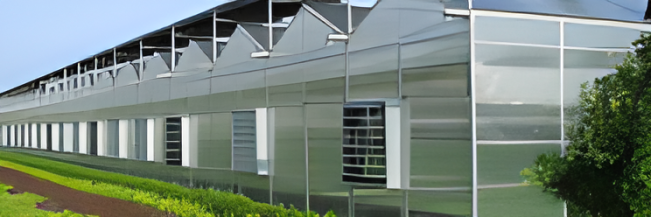
 In the realm of scientific research, a glass greenhouse serves as an invaluable asset, providing controlled environments that optimize conditions for studying plant biology, climate impact, and ecological interactions. Constructed primarily with high-quality architectural glass, these greenhouses offer several advantages over traditional facilities.
One of the primary benefits of using glass in greenhouse construction is its superior light transmission. Unlike some plastic alternatives, glass allows for the maximum penetration of sunlight, which is crucial for the growth of photosynthetic organisms. This property not only enhances plant growth but also aids researchers in monitoring biological processes under natural sunlight conditions. The clarity of glass also enables researchers to better observe the development of plants and the impact of various variables, such as temperature and humidity.
Moreover, glass greenhouses provide excellent insulation properties. Advanced glazing technologies can be incorporated to minimize heat loss during colder months while reducing overheating in the summer. This thermal efficiency is achieved through double or triple-glazing techniques and the use of low-emissivity coatings that reflect radiant heat. Consequently, these structures create a stable and controlled environment that is essential for experiments requiring precise temperature regulation.
Another significant advantage of glass greenhouses for scientific research is their longevity and sustainability. Glass materials are highly durable and resistant to the elements, leading to lower maintenance costs over time. Unlike plastic, which may yellow or degrade, glass retains its transparency and functionality, ensuring long-term usability. This sustainability aspect also aligns with eco-friendly research initiatives, as researchers can focus on sustainability without needing to frequently replace greenhouse materials.
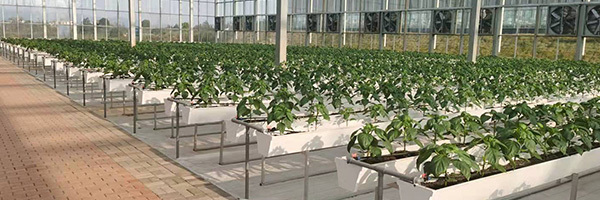
In terms of adaptability, glass greenhouses can be designed to accommodate a wide range of scientific endeavors. Whether for agricultural research, genetic studies, or climate change experiments, these structures can be customized in size, shape, and internal configurations to meet specific research needs. Features such as automated ventilation, irrigation systems, and climate control can be seamlessly integrated into the design, further enhancing their utility.
Furthermore, the aesthetic appeal of glass greenhouses adds to their value. Their transparent and modern design not only enhances the visual experience but also allows for interaction with the surrounding environment, fostering educational outreach and collaborative research opportunities.
In conclusion, glass greenhouses for scientific research represent a vital component in the pursuit of knowledge across various disciplines. Their ability to provide optimal growth conditions, coupled with durability and adaptability, positions them as a preferred choice for researchers aiming to push the boundaries of scientific inquiry. These innovative structures are more than just facilities; they are gateways to new discoveries and advancements in our understanding of the natural world.Keyword:
Previous
Related News
Innovative Glass Greenhouses: Pioneering Scientific Research Environments
In the realm of scientific research, a glass greenhouse serves as an invaluable asset, providing controlled environments that optimize conditions for studying plant biology, climate impact, and ecological interactions. Constructed primarily with high-quality architectural glass, these greenhouses offer several advantages over traditional facilities. One of the primary benefits of using glass in gr
2026-04-11
How a Glass Greenhouse Can Enhance Your Home's Value
How a Glass Greenhouse Can Enhance Your Home's Value Table of Contents 1. Introduction to Glass Greenhouses 2. The Aesthetic Appeal of Glass Greenhouses 3. Enhancing Curb Appeal with a Glass Greenhouse 3.1 Unique Design Features 3.2 Integration with Landscape 4. Increasing Property Value 4.1 Real Estate Market Trends 4.2 The ROI of Adding a Glass Greenhouse 5. Functional Benefi
2026-04-04
Double Row Strawberry Trough: Advancing Efficient Strawberry Cultivation in Modern Agriculture
High-quality double row strawberry troughs ideal for greenhouse systems, maximizing space, yield, and efficient cultivation
2026-04-03
Newest greenhouse vertical growing solutions feature smart control, automated irrigation, and energy-saving systems for efficient crop production
2026-04-02
Exploring Glass and Polycarbonate Sheet Greenhouses: Innovations in Agricultural Production
Greenhouses have become a cornerstone in modern agriculture, providing controlled environments that optimize plant growth. Among the materials used for greenhouse construction, glass and polycarbonate sheets stand out due to their distinct characteristics and benefits. This article will explore the significance of glass and polycarbonate sheet greenhouses and how they can enhance agricultural prod
2026-03-28
Contact
Address: No. 58, Bohai Road, Cangzhou Canal Industrial Science and Technology Park
International Trade Office: No. 58, Bohai Road, Cangzhou Canal Industrial Science and Technology Park
Tel:+86 15301369860
Online message
-