-
-
Greenhouse Vertical Growing: A Game-Changer for Sustainable Agriculture and High-Efficiency Food Production
Release time:
2026-04-02
Newest greenhouse vertical growing solutions feature smart control, automated irrigation, and energy-saving systems for efficient crop production

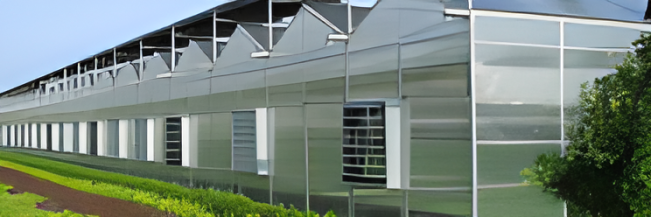
As global populations continue to expand and agricultural land becomes increasingly scarce, greenhouse vertical growing is rapidly gaining recognition as a revolutionary approach to modern farming. By combining controlled-environment agriculture with vertical planting systems, this method enables farmers to produce higher yields in smaller spaces while maintaining consistent quality and reducing environmental impact.
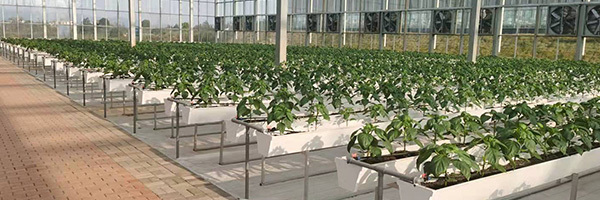
Greenhouse vertical growing involves cultivating crops in stacked layers within a greenhouse structure. Unlike traditional horizontal farming, this approach maximizes the use of vertical space, allowing multiple levels of crops to be grown simultaneously. This significantly increases productivity per square meter, making it especially valuable in urban areas and regions with limited farmland.
One of the key advantages of greenhouse vertical growing is its ability to create a controlled environment. Factors such as temperature, humidity, light, and nutrient supply can be precisely managed to optimize plant growth. This reduces dependence on seasonal changes and allows for year-round production. As a result, farmers can achieve stable output and meet market demands more effectively.
Water efficiency is another major benefit of vertical greenhouse systems. Many setups utilize hydroponic or aeroponic technologies, which deliver water and nutrients directly to plant roots. Compared to traditional soil-based farming, these systems can reduce water usage by up to 70–90%, making them highly sustainable in water-scarce regions. Additionally, the closed-loop design minimizes waste and nutrient runoff.
Labor efficiency and automation also play a significant role in the growing popularity of greenhouse vertical farming. Advanced systems often include automated irrigation, climate control, and lighting solutions. These technologies reduce the need for manual labor and improve operational efficiency. In large-scale facilities, data-driven management systems can monitor plant health and optimize growing conditions in real time.
Another important advantage is the reduction of pests and diseases. The controlled environment of a greenhouse limits exposure to external contaminants, while vertical arrangements improve air circulation. This reduces the need for chemical pesticides and contributes to safer, cleaner food production.
Greenhouse vertical growing is widely used for cultivating leafy greens, herbs, strawberries, and other high-value crops. However, ongoing research and technological advancements are expanding its application to a broader range of produce. With improvements in lighting systems such as LED grow lights, even crops that require specific light conditions can now be grown efficiently in vertical environments.
Despite its many benefits, greenhouse vertical growing also presents certain challenges. Initial setup costs can be relatively high due to the need for specialized equipment and infrastructure. Energy consumption, particularly for lighting and climate control, can also be significant. However, continuous innovation and the integration of renewable energy sources are helping to address these issues and improve overall sustainability.
In recent years, countries around the world have been investing in vertical farming technologies as part of their food security strategies. Governments and private companies alike are recognizing the potential of greenhouse vertical growing to reduce reliance on imports, shorten supply chains, and enhance local food production.
Looking ahead, greenhouse vertical growing is expected to play a crucial role in the future of agriculture. As technology continues to evolve, systems will become more efficient, cost-effective, and accessible. Integration with smart farming technologies, including artificial intelligence and IoT, will further enhance productivity and resource management.
In conclusion, greenhouse vertical growing represents a powerful solution to many of the challenges facing modern agriculture. By maximizing space, conserving resources, and enabling year-round production, it offers a sustainable path forward for feeding a growing global population while protecting the environment.
Keyword:
Previous
Related News
Newest greenhouse vertical growing solutions feature smart control, automated irrigation, and energy-saving systems for efficient crop production
2026-04-02
Exploring Glass and Polycarbonate Sheet Greenhouses: Innovations in Agricultural Production
Greenhouses have become a cornerstone in modern agriculture, providing controlled environments that optimize plant growth. Among the materials used for greenhouse construction, glass and polycarbonate sheets stand out due to their distinct characteristics and benefits. This article will explore the significance of glass and polycarbonate sheet greenhouses and how they can enhance agricultural prod
2026-03-28
Maximizing Crop Yields with Photovoltaic Greenhouses: Innovative Strategies for Sustainable Agriculture Table of Contents 1. Introduction to Photovoltaic Greenhouses 2. The Importance of Maximizing Crop Yields 3. What Are Photovoltaic Greenhouses? 4. Benefits of Photovoltaic Greenhouses 4.1 Enhanced Energy Efficiency 4.2 Sustainable Farming Practic
2026-03-21
The Advantages of Multi-Span Film Greenhouses for Modern Agriculture
Multi-span film greenhouses have become increasingly popular in modern agriculture, providing farmers with a versatile and efficient solution for cultivating crops. Unlike traditional single-span greenhouses, multi-span structures consist of multiple interconnected segments, which allows for a larger growing area while maintaining optimal environmental conditions. This article will delve into the
2026-03-14
Exploring the Versatility of Greenhouses with Glass Windows: A Comprehensive Guide
Exploring the Versatility of Greenhouses with Glass Windows Introduction to Greenhouses and Their Importance Greenhouses are more than just structures; they represent a commitment to nurturing plants in controlled environments. By leveraging sunlight, temperature regulation, and moisture control, greenhouses can significantly extend growing seasons and improve crop yields. As we explore the **vers
2026-03-07
Contact
Address: No. 58, Bohai Road, Cangzhou Canal Industrial Science and Technology Park
International Trade Office: No. 58, Bohai Road, Cangzhou Canal Industrial Science and Technology Park
Tel:+86 15301369860
Online message
-