-
-
Maximizing Crop Yields with Photovoltaic Greenhouses: Innovative Strategies for Sustainable Agriculture
Release time:
2026-03-21
Maximizing Crop Yields with Photovoltaic Greenhouses: Innovative Strategies for Sustainable Agriculture Table of Contents 1. Introduction to Photovoltaic Greenhouses 2. The Importance of Maximizing Crop Yields 3. What Are Photovoltaic Greenhouses? 4. Benefits of Photovoltaic Greenhouses 4.1 Enhanced Energy Efficiency 4.2 Sustainable Farming Practic

Maximizing Crop Yields with Photovoltaic Greenhouses: Innovative Strategies for Sustainable Agriculture
Table of Contents
- 1. Introduction to Photovoltaic Greenhouses
- 2. The Importance of Maximizing Crop Yields
- 3. What Are Photovoltaic Greenhouses?
- 4. Benefits of Photovoltaic Greenhouses
- 4.1 Enhanced Energy Efficiency
- 4.2 Sustainable Farming Practices
- 4.3 Improved Crop Quality and Diversity
- 5. Key Factors Influencing Crop Yields in Photovoltaic Greenhouses
- 5.1 Solar Panel Technology
- 5.2 Environmental Control Systems
- 5.3 Crop Selection and Management
- 6. Installation and Maintenance of Photovoltaic Greenhouses
- 7. Case Studies: Successful Implementation of Photovoltaic Greenhouses
- 8. Future Trends in Photovoltaic Greenhouse Technology
- 9. FAQs about Photovoltaic Greenhouses
- 10. Conclusion
1. Introduction to Photovoltaic Greenhouses
The agricultural sector is undergoing a significant transformation as the demand for sustainable practices increases. **Photovoltaic greenhouses** have emerged as a cutting-edge solution that marries traditional farming techniques with renewable energy. By integrating solar panels into greenhouse structures, we can not only enhance crop yields but also promote environmental sustainability.
2. The Importance of Maximizing Crop Yields
Maximizing crop yields is pivotal for ensuring food security in a world facing population growth and climate change challenges. Higher yields mean more food production from the same amount of land, reducing pressure on agricultural resources. Using innovative techniques, such as photovoltaic greenhouses, can significantly contribute to this goal.
3. What Are Photovoltaic Greenhouses?
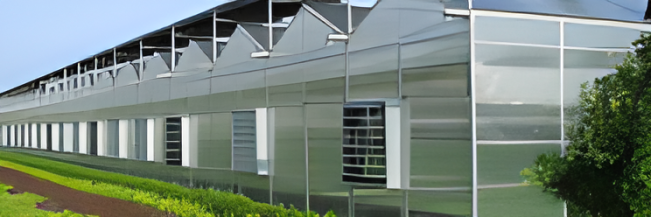
Photovoltaic greenhouses are structures designed to harness solar energy while providing an optimal environment for plant growth. These greenhouses incorporate transparent or semi-transparent solar panels that generate electricity while allowing sunlight to penetrate for photosynthesis. This dual functionality makes them a smart investment for modern agriculture.
4. Benefits of Photovoltaic Greenhouses
4.1 Enhanced Energy Efficiency
One of the most compelling advantages of photovoltaic greenhouses is their ability to generate renewable energy. By producing electricity on-site, farmers can reduce their reliance on external energy sources. This not only lowers operating costs but also minimizes the carbon footprint associated with traditional farming practices.
4.2 Sustainable Farming Practices
Using renewable energy aligns perfectly with sustainable agricultural practices. Photovoltaic greenhouses contribute to reducing greenhouse gas emissions and promoting eco-friendly farming. Additionally, the energy generated can power irrigation systems, climate control technologies, and other essential equipment, further enhancing sustainability.
4.3 Improved Crop Quality and Diversity
Research shows that crops grown in photovoltaic greenhouses often exhibit improved quality and diversity. The controlled environment allows for better temperature regulation and protection from harsh weather conditions. This leads to healthier plants and can extend the growing season, allowing farmers to cultivate a wider variety of crops year-round.
5. Key Factors Influencing Crop Yields in Photovoltaic Greenhouses
5.1 Solar Panel Technology
The type of solar panel technology used in a photovoltaic greenhouse directly affects its efficiency. High-efficiency panels can capture more sunlight and convert it into electricity, ensuring that the greenhouse meets both energy and crop-growing needs. New advancements, such as bifacial solar panels that capture sunlight from both sides, further enhance energy production.
5.2 Environmental Control Systems
An effective environmental control system is vital for maximizing crop yields in photovoltaic greenhouses. These systems manage temperature, humidity, and ventilation, creating an optimal environment for plant growth. By integrating automated controls with solar energy, farmers can ensure their crops thrive regardless of external weather conditions.
5.3 Crop Selection and Management
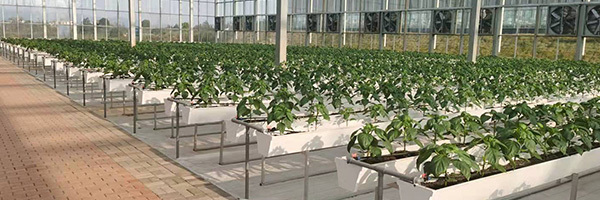
Choosing the right crops and effectively managing them is essential for maximizing yields. Photovoltaic greenhouses can support a diverse range of plants, including vegetables, herbs, and flowers. Employing advanced agricultural practices, such as hydroponics or aquaponics, alongside photovoltaic systems can further enhance productivity.
6. Installation and Maintenance of Photovoltaic Greenhouses
Installing a photovoltaic greenhouse requires careful planning and consideration. First, assess the site for solar exposure, soil quality, and water availability. Collaborate with engineers and agricultural experts to design a structure that meets both energy and agricultural needs.
Regular maintenance is also crucial. Solar panels should be cleaned periodically to ensure maximum efficiency, and the greenhouse structure must be monitored for wear and tear. An effective maintenance schedule will prolong the life of both the greenhouse and the solar technology.
7. Case Studies: Successful Implementation of Photovoltaic Greenhouses
Several farms worldwide have successfully implemented photovoltaic greenhouses, showcasing their potential. For example, a farm in California integrated solar technology into its greenhouse operations, resulting in a 30% increase in crop yields and a significant reduction in energy costs. Similarly, a greenhouse facility in the Netherlands has demonstrated the viability of combining solar energy with innovative hydroponics, leading to robust crop production year-round.
8. Future Trends in Photovoltaic Greenhouse Technology
As technology evolves, the future of photovoltaic greenhouses looks promising. Innovations such as **smart agriculture** technologies, which incorporate artificial intelligence and IoT, will enhance the efficiency and productivity of these structures. Additionally, advances in solar panel efficiency and energy storage solutions will further ensure that photovoltaic greenhouses become a mainstay in sustainable agriculture.
9. FAQs about Photovoltaic Greenhouses
What are the main advantages of using photovoltaic greenhouses?
The primary benefits include reduced energy costs, sustainable farming practices, improved crop quality, and the ability to cultivate diverse crops year-round.
How do photovoltaic greenhouses impact crop growth?
Photovoltaic greenhouses create an optimal environment for plants, allowing for better temperature regulation and protection from harsh weather, which can lead to healthier and higher-yield crops.
What types of crops are best suited for photovoltaic greenhouses?
A wide variety of crops can thrive in photovoltaic greenhouses, including vegetables, herbs, and flowers. The best choices often depend on local climate conditions and market demand.
How do I maintain a photovoltaic greenhouse?
Regular maintenance includes cleaning solar panels, monitoring temperature and humidity controls, and inspecting the structural integrity of the greenhouse.
What are the costs associated with building a photovoltaic greenhouse?
Costs can vary widely depending on location, size, and technology used. It's essential to conduct a cost-benefit analysis to ensure a positive return on investment.
10. Conclusion
Photovoltaic greenhouses represent a revolutionary step forward in sustainable agriculture, combining the power of solar energy with innovative farming practices. By enhancing crop yields and promoting environmental responsibility, these structures can transform the agricultural landscape. As we look toward the future, the potential for photovoltaic greenhouses is boundless, promising not just increased productivity but also a path to a more sustainable food system. Investing in this technology today will yield significant benefits for both farmers and the environment tomorrow.Keyword:
Related News
Exploring Glass and Polycarbonate Sheet Greenhouses: Innovations in Agricultural Production
Greenhouses have become a cornerstone in modern agriculture, providing controlled environments that optimize plant growth. Among the materials used for greenhouse construction, glass and polycarbonate sheets stand out due to their distinct characteristics and benefits. This article will explore the significance of glass and polycarbonate sheet greenhouses and how they can enhance agricultural prod
2026-03-28
Maximizing Crop Yields with Photovoltaic Greenhouses: Innovative Strategies for Sustainable Agriculture Table of Contents 1. Introduction to Photovoltaic Greenhouses 2. The Importance of Maximizing Crop Yields 3. What Are Photovoltaic Greenhouses? 4. Benefits of Photovoltaic Greenhouses 4.1 Enhanced Energy Efficiency 4.2 Sustainable Farming Practic
2026-03-21
The Advantages of Multi-Span Film Greenhouses for Modern Agriculture
Multi-span film greenhouses have become increasingly popular in modern agriculture, providing farmers with a versatile and efficient solution for cultivating crops. Unlike traditional single-span greenhouses, multi-span structures consist of multiple interconnected segments, which allows for a larger growing area while maintaining optimal environmental conditions. This article will delve into the
2026-03-14
Exploring the Versatility of Greenhouses with Glass Windows: A Comprehensive Guide
Exploring the Versatility of Greenhouses with Glass Windows Introduction to Greenhouses and Their Importance Greenhouses are more than just structures; they represent a commitment to nurturing plants in controlled environments. By leveraging sunlight, temperature regulation, and moisture control, greenhouses can significantly extend growing seasons and improve crop yields. As we explore the **vers
2026-03-07
The Benefits and Features of Traditional Glass Greenhouses in Modern Agriculture
Traditional glass greenhouses have long been a staple in the field of agriculture, particularly in controlled environment agriculture. These structures are designed to create an optimal environment for plants, utilizing natural sunlight while providing shelter from harsh weather conditions. The transparent nature of glass allows for maximum light penetration, which is crucial for photosynthesis an
2026-02-28
Contact
Address: No. 58, Bohai Road, Cangzhou Canal Industrial Science and Technology Park
International Trade Office: No. 58, Bohai Road, Cangzhou Canal Industrial Science and Technology Park
Tel:+86 15301369860
Online message
-