-
-
The Impact of Glass Greenhouses on Agricultural Research: A Comprehensive Analysis
Release time:
2026-02-07
The Impact of Glass Greenhouses on Agricultural Research The agricultural industry has witnessed substantial advancements over the past few decades. One of the most significant innovations is the development of glass greenhouses. As we explore their impact on agricultural research, it becomes clear that these structures are not just a trend—they are a fundamental shift in how we approach cultivati

The Impact of Glass Greenhouses on Agricultural Research
The agricultural industry has witnessed substantial advancements over the past few decades. One of the most significant innovations is the development of glass greenhouses. As we explore their impact on agricultural research, it becomes clear that these structures are not just a trend—they are a fundamental shift in how we approach cultivation, experimentation, and sustainability.
Table of Contents
- What Are Glass Greenhouses?
- Benefits of Glass Greenhouses in Agriculture
- Design and Technology in Glass Greenhouses
- Impact on Crop Research
- Sustainability and Environmental Factors
- Future Trends in Glass Greenhouses
- Challenges of Glass Greenhouses
- Conclusion
- FAQs
What Are Glass Greenhouses?
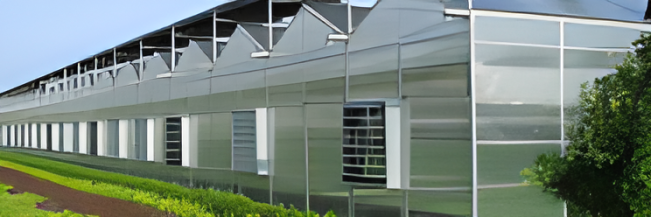
Glass greenhouses are structures made primarily of glass that are designed to cultivate plants in controlled conditions. Unlike traditional greenhouses made from plastic or polythene, glass offers superior insulation, durability, and transparency. This transparency allows for optimal light penetration, essential for photosynthesis and plant growth.
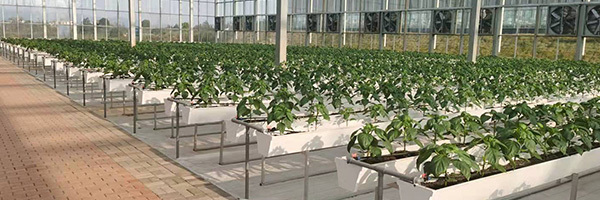
These greenhouses can vary in size and design, from small, home-based structures to large commercial facilities. The controlled environment inside glass greenhouses provides ideal conditions for crops, leading to higher yields and improved quality.
Benefits of Glass Greenhouses in Agriculture
Enhanced Light Management
One of the primary advantages of glass greenhouses is their ability to manage light effectively. The glass used in these greenhouses can maximize natural sunlight exposure while minimizing heat loss. This is crucial for photosynthesis, which directly impacts crop growth and development.
Temperature Control and Climate Regulation
Glass greenhouses enable precise temperature control, allowing researchers to create optimal growing conditions throughout the year. By utilizing heating systems, ventilation, and shading, the internal climate can be adjusted to suit various plant types and growth stages. This capability is particularly beneficial for agricultural research, where varying climate conditions can be simulated to study plant responses.
Improved Pest and Disease Management
Glass greenhouses provide a barrier against pests and diseases, reducing the need for chemical interventions. Controlled environments allow for integrated pest management (IPM) strategies that enhance plant health while minimizing environmental impact. This biosecurity is essential for agricultural research, where the integrity of experiments must be maintained.
Design and Technology in Glass Greenhouses
Innovative Structural Designs
The design of glass greenhouses has evolved significantly, incorporating advanced engineering techniques to enhance functionality and efficiency. Features such as automated ventilation systems, retractable roofs, and energy-efficient heating solutions are now commonplace, allowing for optimized growth conditions.
Smart Technology Integration
Modern glass greenhouses are increasingly adopting smart technologies. Sensors monitor temperature, humidity, soil moisture, and light intensity, providing data that can be analyzed to fine-tune environmental conditions. This data-driven approach not only improves crop yields but also facilitates innovative agricultural research methodologies.
Impact on Crop Research
Accelerated Breeding Programs
The controlled environment of glass greenhouses accelerates breeding programs by allowing researchers to conduct experiments throughout the year. This continuous cycle enables the development of new crop varieties that are resistant to diseases and pests, ultimately enhancing food security.
Research on Climate Change Adaptation
As climate change poses significant challenges to agriculture, glass greenhouses offer a platform for studying how crops can adapt to changing environmental conditions. Researchers can simulate various climate scenarios to understand how different plant species respond, which is crucial for developing resilient agricultural practices.
Sustainability and Environmental Factors
Energy Efficiency
Glass greenhouses are designed with energy efficiency in mind. With the integration of sustainable heating sources, such as geothermal energy and solar panels, these structures can significantly reduce their carbon footprint. This sustainable approach is essential for modern agricultural research, emphasizing the need for environmentally friendly practices.
Water Conservation Techniques
Water management is a critical aspect of agriculture, especially in research settings. Glass greenhouses can employ advanced irrigation systems, including drip irrigation and rainwater harvesting, to optimize water usage. Such techniques not only conserve water but also improve crop health and yield.
Future Trends in Glass Greenhouses
Vertical Farming and Urban Agriculture
The future of glass greenhouses is closely tied to the rise of vertical farming and urban agriculture. As urban populations grow, glass greenhouses can be integrated into city landscapes, enabling local food production and reducing transportation emissions. This trend supports food security while also promoting research on urban horticulture.
Enhanced Research Collaboration
Future innovations in glass greenhouse technology are likely to foster collaboration among researchers, agronomists, and technologists. By sharing data and findings, the agricultural research community can drive forward innovations that enhance crop productivity and sustainability.
Challenges of Glass Greenhouses
High Initial Investment
Despite their benefits, glass greenhouses require a significant upfront investment. The cost of materials, construction, and technology can be a barrier for many farmers and researchers. However, the long-term benefits often justify the initial expenditure.
Maintenance and Operational Costs
While glass greenhouses have low maintenance requirements compared to other structures, ongoing operational costs, such as energy and labor, can accumulate over time. Researchers must carefully consider these factors when planning greenhouse projects to ensure sustainability.
Conclusion
Glass greenhouses are revolutionizing agricultural research by providing controlled environments that enhance crop growth, improve pest management, and enable innovative research methodologies. Their ability to integrate technology and sustainability practices positions them as a cornerstone of future agricultural advancements. As we continue to explore the impact of glass greenhouses, we anticipate that their role in agricultural research will only grow, fostering resilience and productivity in the face of global challenges.
FAQs
What is the primary advantage of using glass in greenhouses?
The primary advantage of using glass is its superior light transmission and insulation properties, which promote optimal plant growth.
Are glass greenhouses more sustainable than traditional greenhouses?
Yes, glass greenhouses can be designed for energy efficiency and incorporate advanced water conservation techniques, making them more sustainable than traditional options.
How do glass greenhouses affect pest management?
Glass greenhouses provide a physical barrier against pests, reducing the need for chemical pesticides and supporting sustainable pest management practices.
What role do smart technologies play in glass greenhouses?
Smart technologies monitor environmental conditions, allowing for real-time adjustments to optimize growth and improve research outcomes.
Can glass greenhouses be used for urban agriculture?
Absolutely! Glass greenhouses can be integrated into urban settings, promoting local food production and reducing transportation emissions.
Keyword:
Previous
Related News
The Impact of Glass Greenhouses on Agricultural Research: A Comprehensive Analysis
The Impact of Glass Greenhouses on Agricultural Research The agricultural industry has witnessed substantial advancements over the past few decades. One of the most significant innovations is the development of glass greenhouses. As we explore their impact on agricultural research, it becomes clear that these structures are not just a trend—they are a fundamental shift in how we approach cultivati
2026-02-07
Exploring the Benefits and Features of Glass Greenhouses
Glass greenhouses have become increasingly popular among horticulturists and gardening enthusiasts due to their unique characteristics and benefits. One of the primary advantages of using glass in greenhouse construction is its exceptional light transmission. Unlike plastic alternatives, glass allows for a higher percentage of natural sunlight to penetrate, which is essential for plant growth. Thi
2026-01-31
Top 5 Essential Features to Consider When Choosing Your Glass and Polycarbonate Greenhouse
Top 5 Essential Features to Consider When Choosing Your Glass and Polycarbonate Greenhouse As gardening enthusiasts, we understand the importance of having the right environment for our plants to thrive. When investing in a greenhouse, the choice between glass and polycarbonate can be overwhelming. Each material has unique benefits, and selecting the right greenhouse involves understanding its fea
2026-01-24
Revolutionizing Agriculture: The Benefits of Photovoltaic Greenhouses
Photovoltaic greenhouses represent a groundbreaking fusion of solar energy technology and controlled-environment agriculture. By integrating photovoltaic (PV) panels into greenhouse structures, these facilities not only cultivate crops but also harness solar energy to power their operations, promoting sustainability and efficiency. The primary advantage of a photovoltaic greenhouse lies in its abi
2026-01-17
Maximizing Crop Yield with Glass and Polycarbonate Sheet Greenhouses
In the realm of modern agriculture, the choice of greenhouse materials can significantly influence the success of crop production. Glass and polycarbonate sheet greenhouses are two popular options that offer unique benefits, particularly in enhancing plant growth and improving agricultural efficiency. Glass greenhouses are renowned for their excellent light transmission properties, allowing natura
2025-12-28
Contact
Address: Hebei University of Technology Science and Technology Park, High tech Zone, Cangzhou City, Hebei Province
International Trade Office: Huashang Building, Yunhe District, Cangzhou City (500 meters east of Cangzhou West High speed Railway Station)
Tel:+86 15301369860
Online message
-