-
-
The Advantages of Multi-Span Film Greenhouses for Modern Agriculture
Release time:
2026-01-07
In recent years, Multi-Span film greenhouses have gained significant attention in the agricultural industry for their effectiveness in promoting sustainable farming practices. These structures, characterized by multiple interconnected spans, provide an ideal environment for cultivating a variety of crops, from vegetables to flowers. The use of polyethylene film as a covering material enhances ligh
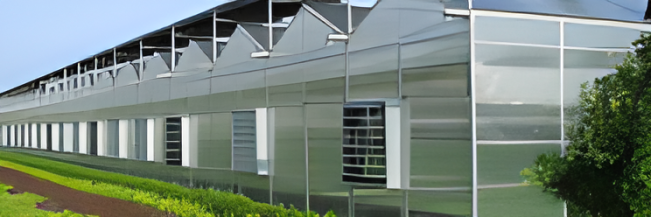
 In recent years, Multi-Span film greenhouses have gained significant attention in the agricultural industry for their effectiveness in promoting sustainable farming practices. These structures, characterized by multiple interconnected spans, provide an ideal environment for cultivating a variety of crops, from vegetables to flowers. The use of polyethylene film as a covering material enhances light transmission, while also providing necessary insulation, making them a popular choice among growers.
One of the primary benefits of Multi-Span film greenhouses is their ability to optimize plant growth conditions. The design allows for improved air circulation and temperature regulation, which are critical for plants to thrive. By utilizing thermal screens and ventilation systems, these greenhouses can maintain optimal humidity levels and minimize temperature fluctuations, ensuring that crops receive the care they need throughout different seasons.
Additionally, the design of Multi-Span greenhouses enables efficient space utilization. The interconnected structure allows growers to maximize the growing area without sacrificing accessibility. This is particularly advantageous in regions where arable land is limited, as it facilitates the production of high yields in a compact footprint. Furthermore, the modular nature of these greenhouses means they can be easily expanded or modified to accommodate varying crop types or growing methods.
The use of film as a covering material also contributes to cost-effectiveness. Polyethylene films are lightweight and relatively inexpensive, yet they provide excellent protection against environmental elements such as wind, rain, and pests. This affordability allows growers to invest in additional technologies and practices that further enhance productivity, such as automated irrigation systems and precision farming tools.
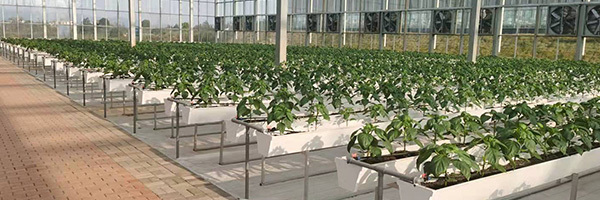
Moreover, Multi-Span film greenhouses are highly versatile in their application. They can be used for organic farming, hydroponics, or traditional soil-based growing methods. This versatility makes them suitable for a wide range of crops, catering to diverse agricultural practices and market demands. As consumers increasingly seek sustainably grown produce, the ability to control environmental factors within these greenhouses can lead to higher quality yields that meet market standards.
Lastly, the environmental benefits of Multi-Span film greenhouses cannot be overlooked. By creating a controlled environment, these structures can reduce the need for chemical inputs and excessive water usage, promoting eco-friendly farming practices. This aligns with the growing trend toward sustainable agriculture, where minimizing the ecological footprint while maximizing production is paramount.
In conclusion, Multi-Span film greenhouses represent a transformative approach to modern agriculture. By combining efficiency, versatility, and sustainability, they empower growers to adapt to changing agricultural demands while enhancing productivity and quality. As the industry continues to evolve, these greenhouses play a crucial role in addressing the challenges of food security and environmental sustainability.Keyword:
Previous
Related News
The Advantages of Multi-Span Film Greenhouses for Modern Agriculture
In recent years, Multi-Span film greenhouses have gained significant attention in the agricultural industry for their effectiveness in promoting sustainable farming practices. These structures, characterized by multiple interconnected spans, provide an ideal environment for cultivating a variety of crops, from vegetables to flowers. The use of polyethylene film as a covering material enhances ligh
2026-01-07
Why Choose Polycarbonate Sheets for Your Greenhouse? Discover the Benefits and Advantages
Why Choose Polycarbonate Sheets for Your Greenhouse? In the world of greenhouse construction, the choice of materials can significantly affect the growth of plants, energy efficiency, and the overall longevity of your structure. Among the myriad of options available, polycarbonate sheets stand out as one of the most advantageous choices for both amateur gardeners and professional horticulturists.
2026-01-02
Maximizing Crop Yield with Glass and Polycarbonate Sheet Greenhouses
In the realm of modern agriculture, the choice of greenhouse materials can significantly influence the success of crop production. Glass and polycarbonate sheet greenhouses are two popular options that offer unique benefits, particularly in enhancing plant growth and improving agricultural efficiency. Glass greenhouses are renowned for their excellent light transmission properties, allowing natura
2025-12-28
How A-frame Structures Enhance Strawberry Growth in Controlled Environments
How A-frame Structures Enhance Strawberry Growth in Controlled Environments Introduction to A-frame Gardening for Strawberries In recent years, the farming community has witnessed a burgeoning interest in innovative gardening techniques, particularly in controlled environments. A-frame structures have emerged as a groundbreaking solution for enhancing strawberry growth. These ingenious frameworks
2025-12-23
Harnessing the Sun: The Benefits of Photovoltaic Greenhouses in Modern Agriculture
Photovoltaic greenhouses represent a cutting-edge fusion of agriculture and renewable energy technology. By incorporating solar panels into greenhouse structures, these innovative facilities can generate electricity while providing an ideal environment for plant growth. This dual functionality not only enhances energy efficiency but also contributes to the sustainability of agricultural practices.
2025-12-18
Contact
Address: Hebei University of Technology Science and Technology Park, High tech Zone, Cangzhou City, Hebei Province
International Trade Office: Huashang Building, Yunhe District, Cangzhou City (500 meters east of Cangzhou West High speed Railway Station)
Tel:+86 15301369860
Online message
-