-
-
Harnessing the Power of Solar Greenhouses for Sustainable Agriculture
Release time:
2025-12-13
Harnessing the Power of Solar Greenhouses for Sustainable Agriculture As the global population continues to grow, so does the demand for sustainable agricultural practices. Solar greenhouses present a compelling solution that not only boosts crop production but also aligns with eco-friendly principles. By effectively utilizing solar energy, these structures offer significant advantages to farmers,

Harnessing the Power of Solar Greenhouses for Sustainable Agriculture
As the global population continues to grow, so does the demand for sustainable agricultural practices. Solar greenhouses present a compelling solution that not only boosts crop production but also aligns with eco-friendly principles. By effectively utilizing solar energy, these structures offer significant advantages to farmers, including reduced operational costs and minimized environmental impact. In this article, we delve deep into the world of solar greenhouses, exploring their mechanics, benefits, design considerations, and their role in sustainable agriculture.
Table of Contents
- What Are Solar Greenhouses?
- Benefits of Solar Greenhouses in Agriculture
- How Solar Greenhouses Work
- Design and Technology of Solar Greenhouses
- Energy Efficiency and Sustainability
- Case Studies: Successful Implementation of Solar Greenhouses
- The Future of Solar Greenhouses in Agriculture
- FAQs About Solar Greenhouses
What Are Solar Greenhouses?
Solar greenhouses are specialized structures designed to optimize the use of solar energy for plant growth. Unlike traditional greenhouses that rely solely on artificial heating and lighting, solar greenhouses capture and store solar energy to maintain optimal temperatures and humidity levels. This innovative approach significantly enhances the growing conditions for various crops, leading to improved quality and yield.
Types of Solar Greenhouses
Solar greenhouses come in various designs, each tailored to specific climatic conditions and agricultural needs. The two primary types include:
- Passive Solar Greenhouses: These structures utilize natural sunlight and heat without mechanical systems. They are designed with materials that absorb and retain heat, minimizing reliance on external energy sources.
- Active Solar Greenhouses: Incorporating technology like solar panels and thermal mass systems, these greenhouses can generate additional energy for heating and cooling, allowing for year-round crop production.
Benefits of Solar Greenhouses in Agriculture
The advantages of solar greenhouses extend far beyond mere crop production. Here are some of the key benefits:
1. Enhanced Crop Yield
By maintaining a stable internal climate, solar greenhouses promote healthier plants that yield higher quantities and better-quality produce. The controlled environment protects against pests and diseases, further enhancing overall productivity.
2. Reduced Energy Costs
Solar greenhouses significantly lower energy expenses for farmers. By harnessing solar energy for heating and lighting, operational costs are minimized, allowing farmers to allocate resources more effectively.
3. Environmental Impact
Utilizing renewable energy sources reduces the carbon footprint associated with traditional farming methods. Solar greenhouses contribute to a more sustainable agricultural system by minimizing reliance on fossil fuels and reducing greenhouse gas emissions.
4. Year-Round Production
With their ability to regulate temperature and humidity, solar greenhouses enable farmers to cultivate crops throughout the year, regardless of external weather conditions. This continuous production cycle can significantly increase profitability.
How Solar Greenhouses Work
The functionality of solar greenhouses hinges on their design and construction. These structures are strategically oriented to maximize sunlight exposure, utilizing materials that optimize light transmission and heat retention.
Key Components of Solar Greenhouses
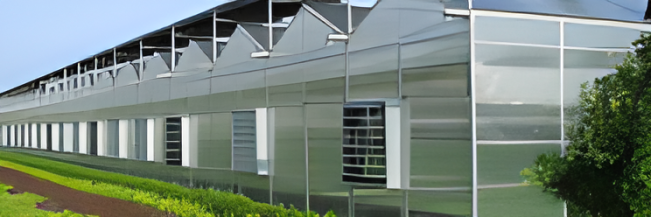
- Glazing Material: The choice of glazing material affects light infiltration and heat retention. Common options include polycarbonate panels, glass, and polyethylene films.
- Thermal Mass: Materials like water barrels or concrete floors absorb heat during the day and release it at night, moderating temperature fluctuations.
- Ventilation Systems: Proper ventilation is essential to prevent overheating and maintain humidity levels. Automated vents can ensure optimal air circulation.
Design and Technology of Solar Greenhouses
The design of a solar greenhouse is crucial to its efficiency and effectiveness. Here are some essential design considerations:
Orientation and Placement
Solar greenhouses should ideally be oriented north-south to capture maximum sunlight throughout the day. Proximity to water sources and accessibility for maintenance should also be considered during placement.
Innovative Technologies
Integration of technologies such as sensors for climate control and automated irrigation systems can significantly enhance the performance of solar greenhouses. Smart technology allows for real-time monitoring and adjustments, ensuring optimal growing conditions.
Modular Designs
Modular solar greenhouses enable farmers to expand their operations easily. These designs facilitate scalability, allowing for the incorporation of additional features such as aquaponics or vertical farming setups.
Energy Efficiency and Sustainability
Solar greenhouses exemplify the principles of energy efficiency and sustainability. By harnessing renewable energy, they contribute to a reduction in overall energy consumption in agriculture.
Carbon Footprint Reduction
Farming practices powered by solar energy significantly lower greenhouse gas emissions compared to conventional methods. This shift not only mitigates climate change but also promotes a healthier environment.
Water Conservation Practices
Solar greenhouses often incorporate water conservation techniques, such as rainwater harvesting and drip irrigation, to reduce water usage while maximizing crop output. These practices align with sustainable agriculture goals and ensure efficient resource management.
Case Studies: Successful Implementation of Solar Greenhouses
Several innovative farms around the world have successfully implemented solar greenhouse technology, showcasing its versatility and effectiveness:
1. Japan's Solar Greenhouse Revolution
In Japan, numerous farmers have adopted solar greenhouses, leading to a significant increase in vegetable production. The integration of thermal mass systems has enabled year-round cultivation, a step forward in food security.
2. The Netherlands and Hydroponics
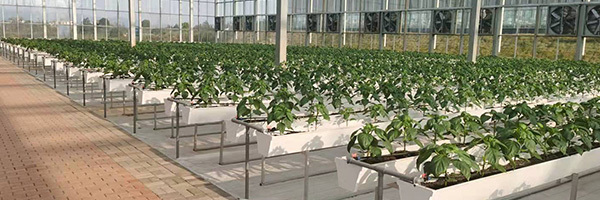
In the Netherlands, solar greenhouses have been combined with hydroponic systems to create highly efficient farming environments. This integration has allowed for maximized space usage and reduced resource consumption, setting a benchmark for sustainable practices.
The Future of Solar Greenhouses in Agriculture
The future of solar greenhouses looks promising, with continued advancements in technology and design. Emerging trends include:
1. Integration of AI and Big Data
The incorporation of artificial intelligence and big data analytics into greenhouse management will revolutionize crop monitoring and resource allocation, ensuring optimal performance.
2. Community-Based Greenhouse Initiatives
As awareness of sustainability grows, community-based solar greenhouse initiatives will likely emerge, promoting local food production and resilience against climate change.
3. Policy Support and Incentives
Governments may introduce policies and incentives to encourage the adoption of solar greenhouse technology, further accelerating the shift towards sustainable agriculture.
FAQs About Solar Greenhouses
1. What crops can be grown in solar greenhouses?
Solar greenhouses can support a wide variety of crops, including vegetables, fruits, herbs, and flowers, depending on the design and climate conditions.
2. How much does it cost to build a solar greenhouse?
The cost of building a solar greenhouse varies based on size, materials, and technology integration, typically ranging from a few thousand to tens of thousands of dollars.
3. Are solar greenhouses eco-friendly?
Yes, solar greenhouses are eco-friendly as they utilize renewable energy, reduce carbon emissions, and promote sustainable farming practices.
4. Can solar greenhouses operate in winter?
Yes, solar greenhouses are designed to maintain optimal conditions even in winter, allowing for year-round crop production.
5. How do I maintain a solar greenhouse?
Regular maintenance includes checking ventilation systems, monitoring temperature and humidity, cleaning glazing materials, and ensuring the structural integrity of the greenhouse.
Conclusion
Solar greenhouses represent a significant advancement in sustainable agriculture, offering a myriad of benefits from increased crop yields to reduced environmental impact. As technology continues to evolve, the potential for solar greenhouses to revolutionize food production becomes increasingly apparent. By adopting these innovative structures, farmers can contribute to a more sustainable future while meeting the growing demand for food. The journey towards harnessing the power of solar greenhouses is not just about enhancing agricultural practices; it is a vital step in building a resilient and eco-friendly food system for generations to come.
Keyword:
Related News
Harnessing the Sun: The Benefits of Photovoltaic Greenhouses in Modern Agriculture
Photovoltaic greenhouses represent a cutting-edge fusion of agriculture and renewable energy technology. By incorporating solar panels into greenhouse structures, these innovative facilities can generate electricity while providing an ideal environment for plant growth. This dual functionality not only enhances energy efficiency but also contributes to the sustainability of agricultural practices.
2025-12-18
Harnessing the Power of Solar Greenhouses for Sustainable Agriculture
Harnessing the Power of Solar Greenhouses for Sustainable Agriculture As the global population continues to grow, so does the demand for sustainable agricultural practices. Solar greenhouses present a compelling solution that not only boosts crop production but also aligns with eco-friendly principles. By effectively utilizing solar energy, these structures offer significant advantages to farmers,
2025-12-13
Transform Your Garden: The Incredible Benefits of a Polycarbonate Sheet Greenhouse
Transform Your Garden: The Incredible Benefits of a Polycarbonate Sheet Greenhouse Table of Contents 1. Introduction to Polycarbonate Greenhouses 2. What is Polycarbonate? 3. Advantages of Polycarbonate Sheet Greenhouses 3.1 Exceptional Light Transmission 3.2 Superior Insulation Properties 3.3 Enhanced Durability and Impact Resistance 3.4 Lightweight and Easy to Install 3.5 UV Pr
2025-12-03
The Advantages of Multi-Span Film Greenhouses in Modern Agriculture
Multi-Span film greenhouses represent a significant advancement in the field of agricultural facilities, particularly in the realm of controlled-environment agriculture. These structures are designed with multiple spans or sections, which allows for a more extensive growing area compared to traditional single-span greenhouses. The use of flexible film as the primary covering material offers variou
2025-12-08
Maximizing Agricultural Efficiency: The Benefits of Glass and Polycarbonate Sheet Greenhouses
When considering greenhouse materials, glass and polycarbonate sheets stand out for their unique properties and advantages. Both materials provide excellent light transmission, creating an ideal environment for plant growth. Glass, known for its clarity and durability, allows for up to 90% light penetration, ensuring that plants receive ample sunlight. On the other hand, polycarbonate sheets, whic
2025-11-28
Contact
Address: Hebei University of Technology Science and Technology Park, High tech Zone, Cangzhou City, Hebei Province
International Trade Office: Huashang Building, Yunhe District, Cangzhou City (500 meters east of Cangzhou West High speed Railway Station)
Tel:+86 15301369860
Online message
-